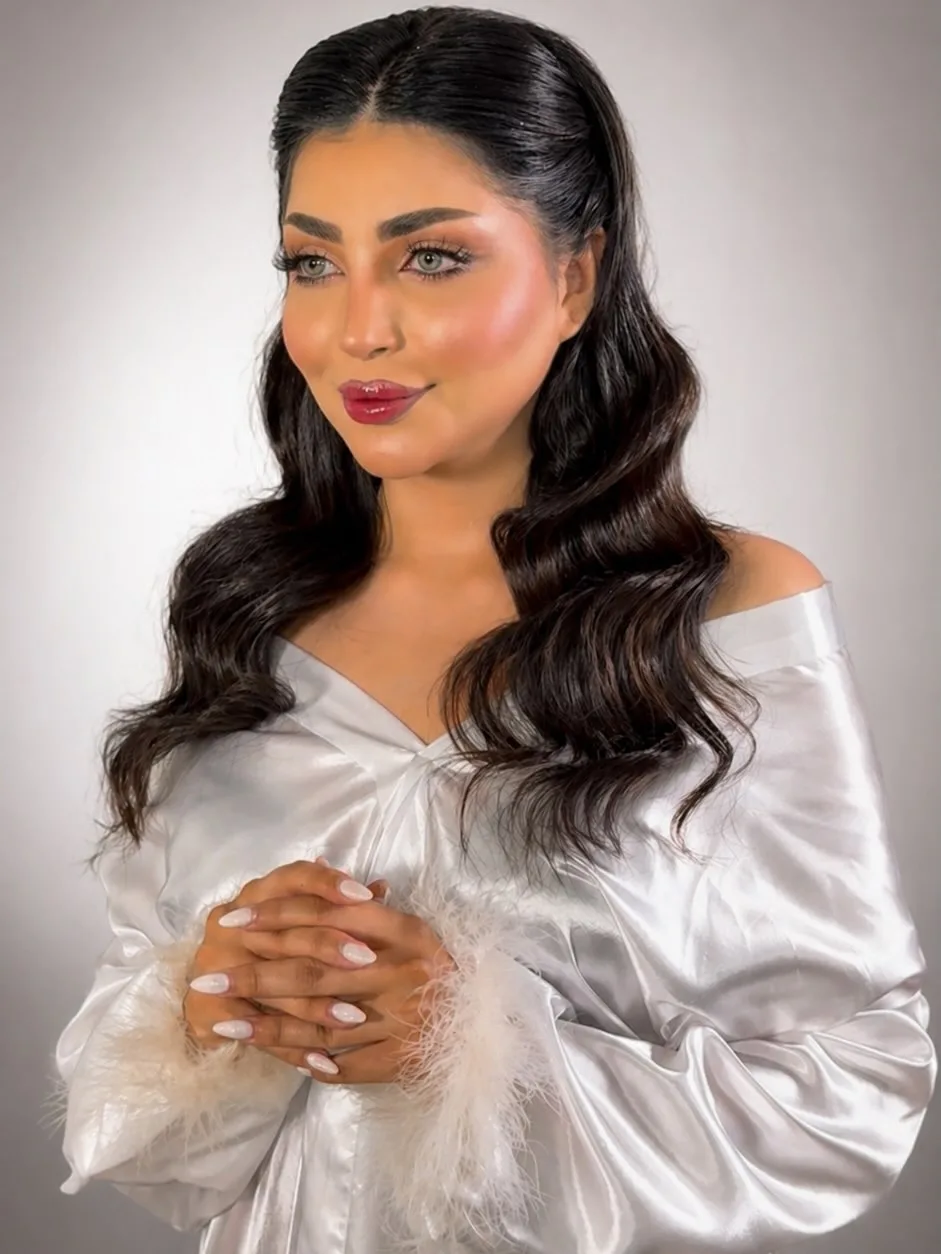
Winter Hairstyles: 25 Cozy, Chic Ideas for Cold Weather
In this guide
- What Makes a Hairstyle Winter Friendly?
- Protective Winter Hairstyles That Guard Your Ends
- Winter Braids With Real Staying Power
- Buns, Ponytails, and Updos for Cold Weather
- Hat and Scarf Friendly Hairstyles
- Winter Hairstyles by Length: Short, Medium, and Long
- Winter Styles for Natural Hair and Black Women
- Step by Step: A Low Twisted Bun in 5 Minutes
- FAQs
The best winter hairstyles keep your ends tucked away from cold air, dry wind, and scratchy scarves. Protective braids, low buns, twisted updos, and hat friendly styles are the top picks because they fight frizz, static, and breakage while still looking polished. Add a weekly deep conditioning routine and your hair can come through winter softer than it went in.
Winter is beautiful, but it is not kind to hair. Cold air outside and dry heated air inside pull moisture out of every strand, and that is when we start seeing static, flyaways, and snapped ends.
The good news is that the coziest styles of the season are also the healthiest. Below are 25 winter hairstyles we reach for all season, grouped by length and hair type so you can find yours fast.
What Makes a Hairstyle Winter Friendly?
A winter friendly hairstyle keeps your ends protected, holds up under a hat or hood, and does not need daily heat styling. Styles that tuck the ends away, sit low on the head, or can be refreshed in 5-10 minutes are the ones that work all season.
Your ends are the oldest and driest part of your hair, so they suffer first. Rubbing against wool coats and high collars adds friction, and friction means breakage.
Look for three things in a cold weather style. Low manipulation, so you are not restyling every morning. Moisture retention, with leave-in conditioner or a light oil sealed in before you style. And hat compatibility, because a style crushed by your beanie will not survive the commute.
Protective Winter Hairstyles That Guard Your Ends
Protective styles are the smartest winter hairstyles because they hide your ends inside the style itself. Braids, twists, and buns keep fragile ends away from cold air and coat friction for days or even weeks at a time.
Whatever you choose from this group, start on moisturized hair. Work leave-in conditioner through damp strands, seal with a few drops of jojoba or argan oil, then style. Your hair will thank you in March.
Two Strand Twists
Two strand twists are the gentle workhorse of winter hair. You simply split a section in two, wrap the pieces around each other from root to tip, and let the ends coil and seal themselves.
They suit almost every hair type, from loose waves to tight coils, and they ask for zero tension at the edges. Wear them down, pin them up, or tuck them under a satin lined hat on the coldest days. When you take them out, you get a soft twist out as a bonus style.
Flat Twists
Flat twists lie close against the head, worked along the scalp the way cornrows are, but with two strands instead of three. Because they sit so flat, hats and hoods slide right over them without ruining the shape.
They are a lovely choice if your hair frizzes easily, since the roots stay smooth and contained. A set can last one to two weeks with a light spritz of leave-in every few days. At night, cover them with a satin scarf and they will look fresh far longer.
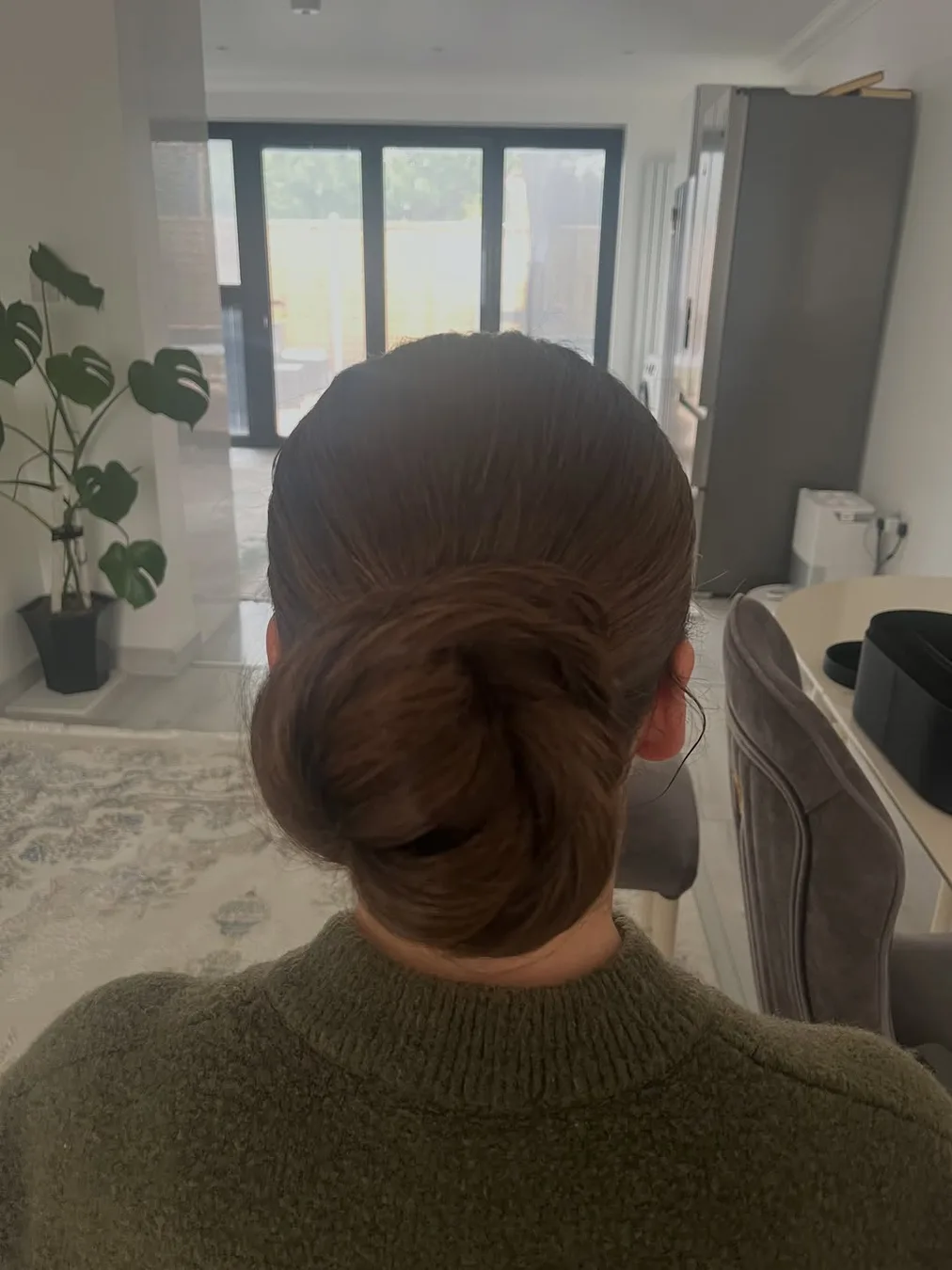
Low Chignon
A low chignon is a classic bun rolled or folded at the nape of the neck, and it is the most polished protective style on this list. It works just as well for the office as it does for a winter wedding or a nice dinner out.
Gather your hair into a low ponytail, twist the length, and fold it under before pinning it flat. Every end ends up hidden inside the fold, away from scarves and coat collars. Smooth a little anti frizz serum over the top and it looks like you spent far longer than five minutes.
Crown Braid
A crown braid wraps around the head like a halo, keeping every strand up and off your collar. It looks festive and romantic, yet it is sturdy enough to wear for two or three days straight.
You can braid it as a Dutch braid so it stands up with pretty dimension, or as a French braid for a softer finish. Because the braid hugs the head, a beret or a wide brim hat can still sit over the top. Leave a few face framing wisps loose if you like a gentler look.
Tucked French Braid
A tucked French braid gives you the neatness of a classic braid with true end protection. Braid your hair as usual down the back, then fold the tail up and under the braid and pin it in place.
The ends, which are the part winter damages most, spend the day hidden against your head. This style suits medium to long hair and holds up beautifully under hoods and high collars. Add a ribbon or a pretty clip at the fold and it turns into an occasion style.
Bantu Knots
Bantu knots are small coiled buns sectioned across the head, and they make a bold, joyful protective style. Each knot tucks its own ends safely inside the coil, so the whole head is protected at once.
They work best on natural and textured hair, short to medium lengths included. Wear them as the style itself for a week or so, moisturizing lightly as needed. Or sleep on them overnight and unravel in the morning for defined, heatless curls with plenty of bounce.
Winter Braids With Real Staying Power
Braids are winter heroes because one good braiding session can carry you through several cold, busy days. The six braid styles below range from five minute fixes to fuller looks that hold up under hats, hoods, and heavy scarves.
Before any braid, smooth a little leave-in conditioner through your lengths and a drop of oil over the last few inches. Braiding dry, brittle hair just locks in the dryness, so moisture first is our golden rule.
Pull-Through Braid
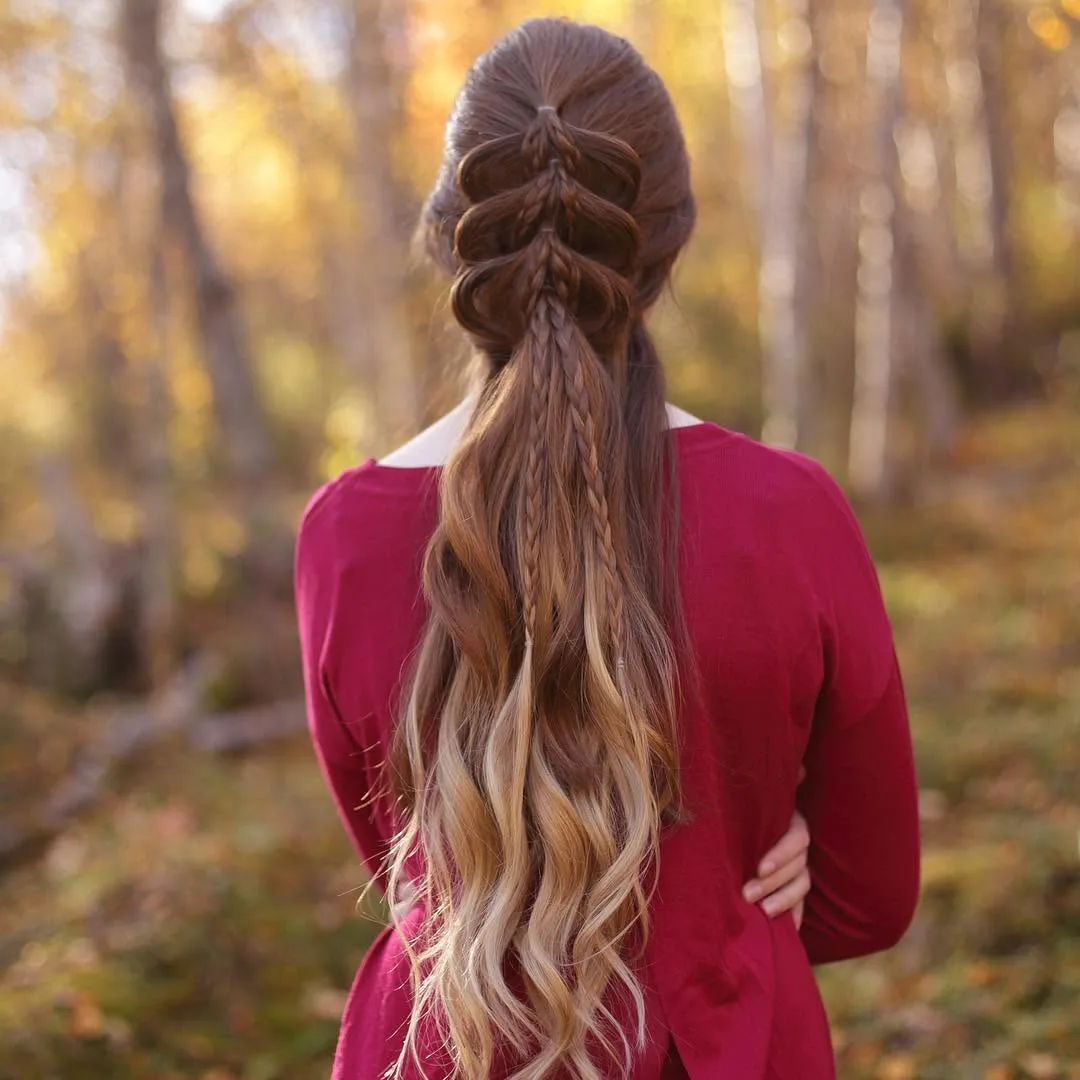
The pull-through braid looks like a big, chunky plait, but it is really a row of ponytails looped through each other. That makes it perfect if you love the braided look but struggle with traditional braiding.
It suits medium to long hair and adds the appearance of serious thickness, which fine hair especially appreciates. Gently tug each loop outward to pancake the braid and make it look fuller. It sits to one side or down the back, and a beanie fits over the smooth top with no trouble.
Topsy Tail Braid
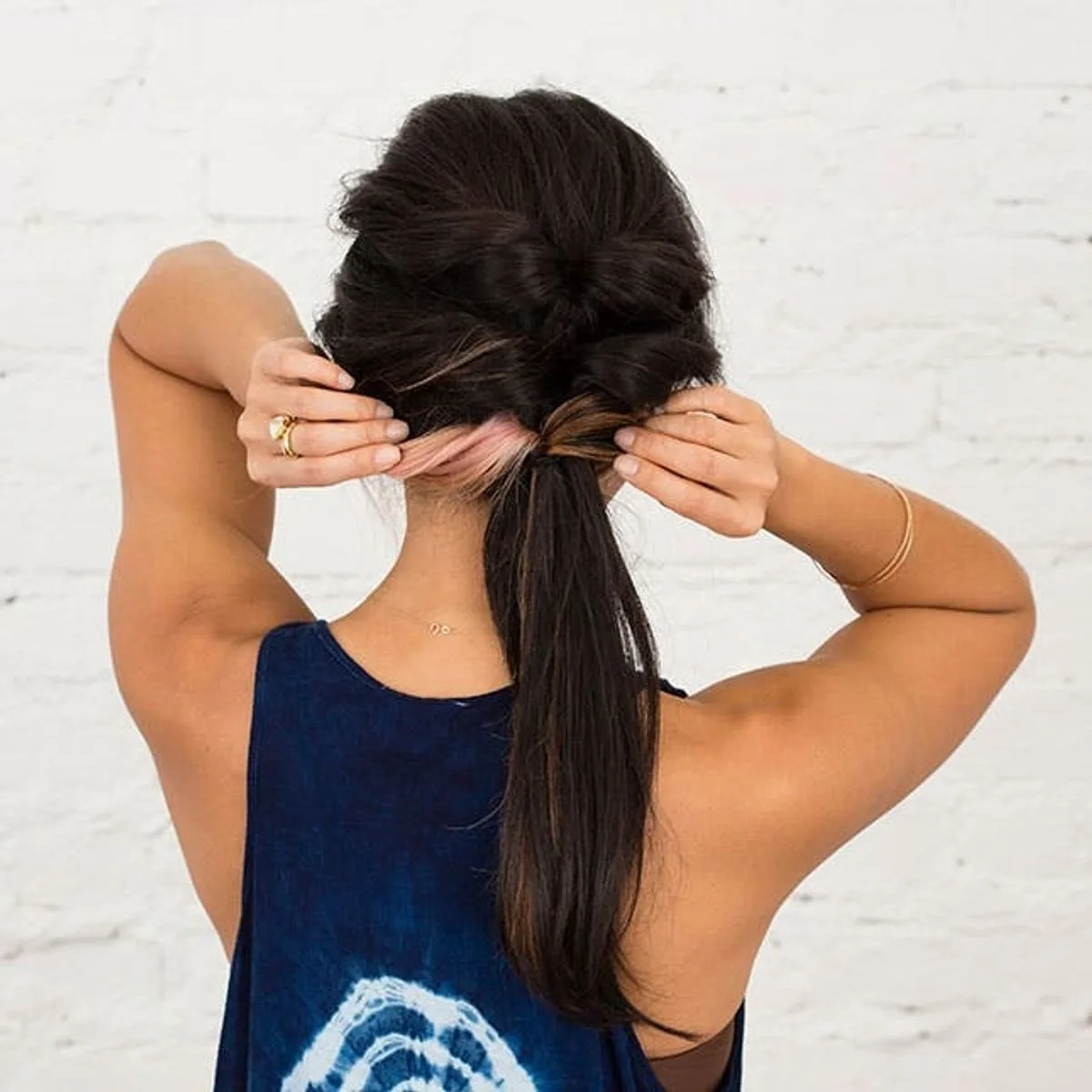
The topsy tail braid builds soft, flipped twists down the length of a ponytail, and it is one of the easiest styles on this whole list. You make a ponytail, flip it through a gap above the tie, add more hair, and repeat.
It looks intricate but takes about five minutes once you get the rhythm. It suits straight to wavy hair best and gives fine hair a lovely woven texture. Because the top stays flat and smooth, it is a great pick for hat days when you still want something pretty underneath.
Stacked Braids
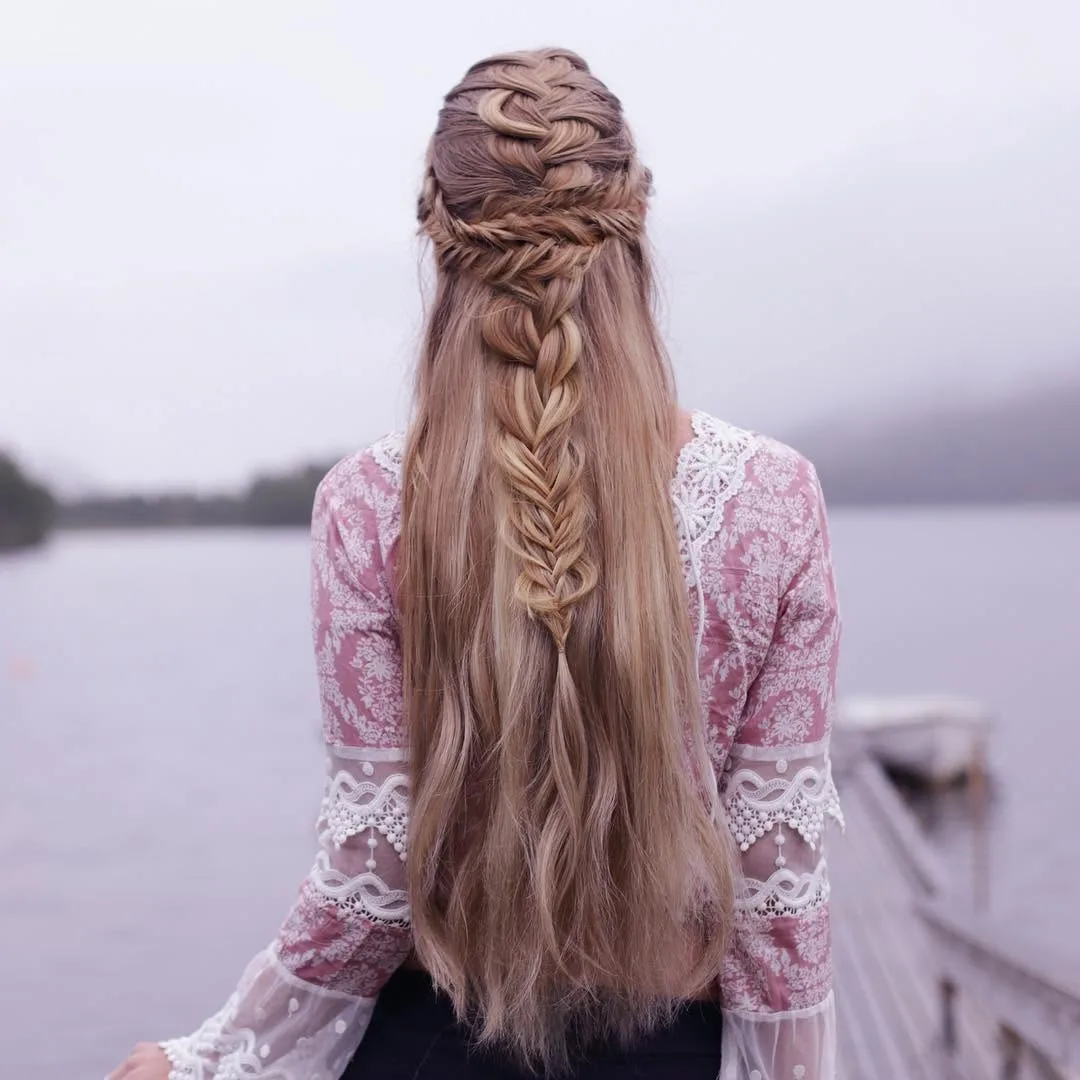
Stacked braids layer two or more braids together, like a small braid laid over a bigger one, for a look with real detail. Think of a fishtail with a thin three strand braid running down its center, or twin braids woven into one.
This is a style for patient hands and medium to long hair, and it rewards you by lasting for days. The interlocked structure barely moves in wind and does not tangle against scarves. Keep a small braid as your accent and let the bigger braid do the protective work.
Double Braids
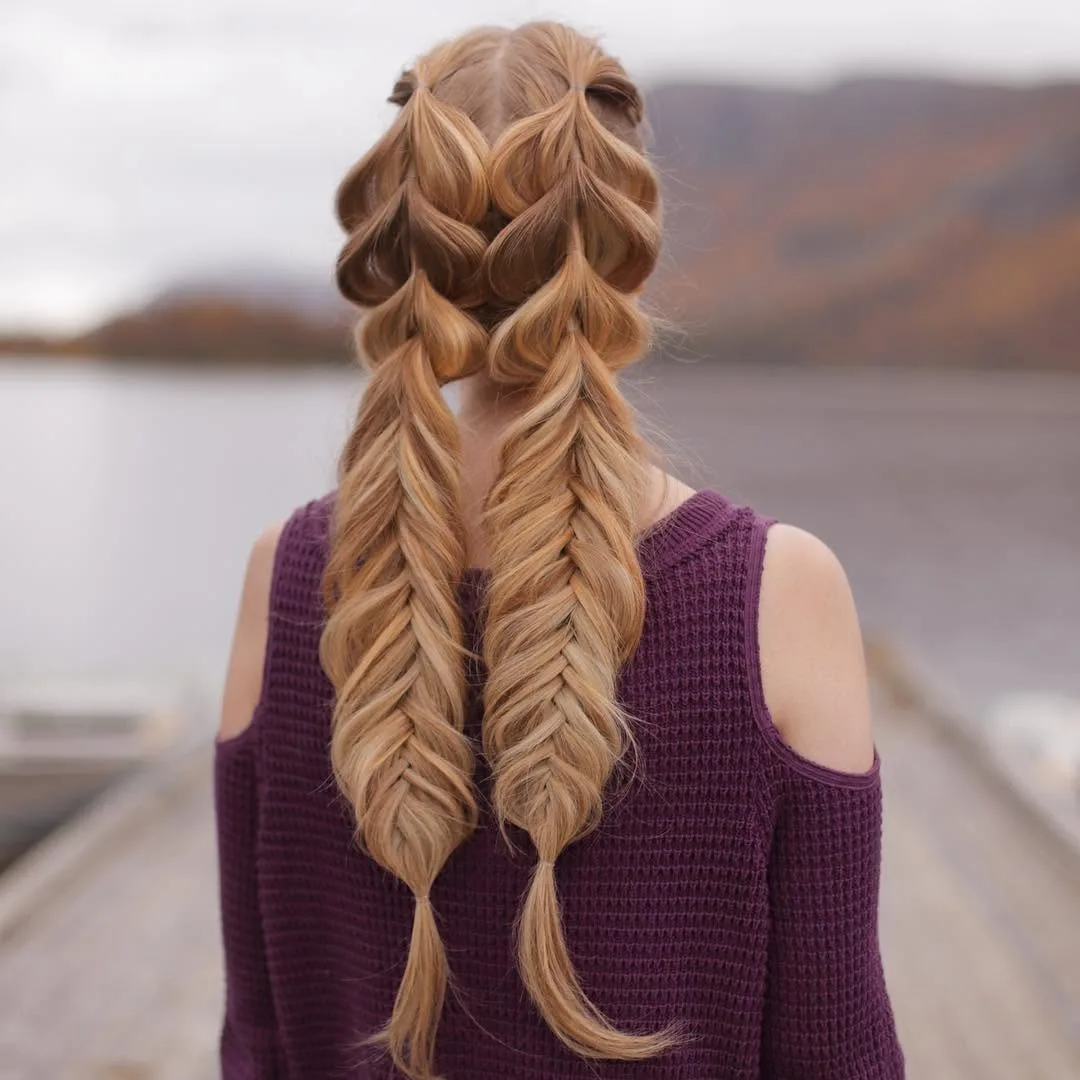
Double braids, two Dutch or French braids worn one on each side, are a winter staple for good reason. They keep all of your hair contained, balanced, and off your neck and shoulders.
They suit nearly every hair type and length past the shoulders, and they are the braid we reach for on ski days and long walks. The flat, even shape means a helmet, earmuff band, or beanie sits comfortably over them. At night, leave them in and wake up to easy waves when you take them down.
Side Braid
A side braid sweeps all of your hair over one shoulder into a single loose plait, and it is the friendliest braid for beginners. French, Dutch, fishtail, or a plain three strand all work beautifully here.
It suits medium to long hair and pairs naturally with side swept hats and berets. Keep it a little loose and messy for softness, or braid it sleek for a cleaner finish. Because the braid rests on your shoulder instead of rubbing down your back, it also tangles less against coat fabric.
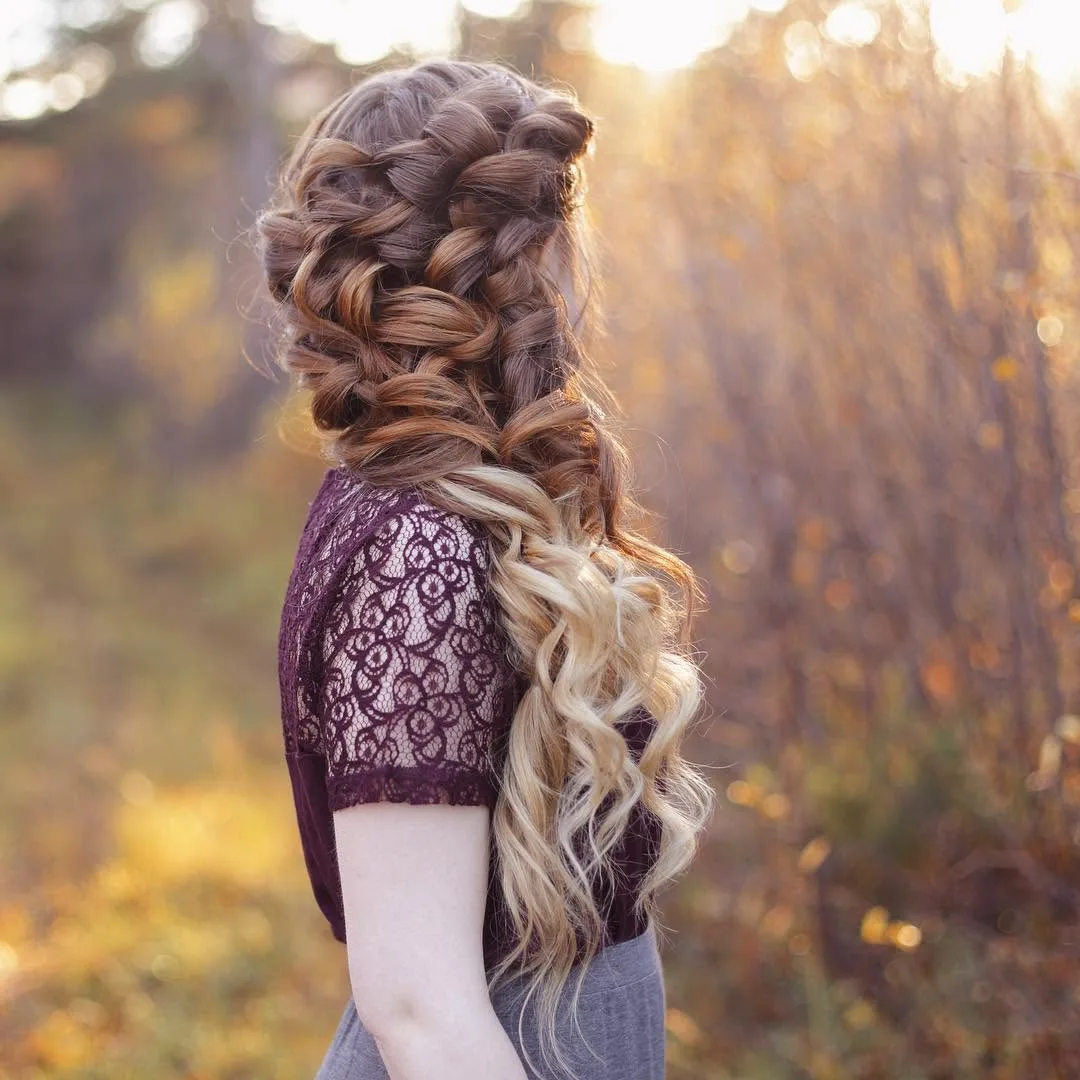
Dutch Braid Into a Bun
A Dutch braid into a bun combines a raised, textured braid at the front with a neat bun at the back or nape. The braid keeps the front tidy and interesting, while the bun hides your ends completely.
This one shines on second or third day hair, when a little natural grip helps the braid hold. It survives hat wear better than most updos because the braid hugs the head. Finish with two crossed pins under the bun and it will stay put through a full winter day.
Buns, Ponytails, and Updos for Cold Weather
Buns, ponytails, and updos are the backbone of everyday winter hairstyles because they are fast, reliable, and keep hair off heavy collars. Knotless braids are the low tension favorite for longer wear, while the six styles below cover everything from school runs to holiday parties.
Rotate these through the week so the same spots do not take tension every day. And reach for gentle tools, meaning satin scrunchies, snag free ties, and pins instead of tight elastics. Find more ideas in our braids and protective styles hub.
High Bun
A high bun piles your hair into a neat knot on the crown, and it deserves its own spot on any winter list. Up high, your ends stay completely clear of scarves, collars, and coat zips, which is where so much winter breakage happens.
It suits medium to long hair and gives an instant lifted, polished look that works from the gym to a dinner out. Brush hair up smoothly, twist the ponytail into a coil, and pin the ends underneath. On very cold days, pair it with earmuffs or a wide headband instead of a hat so the bun keeps its shape.
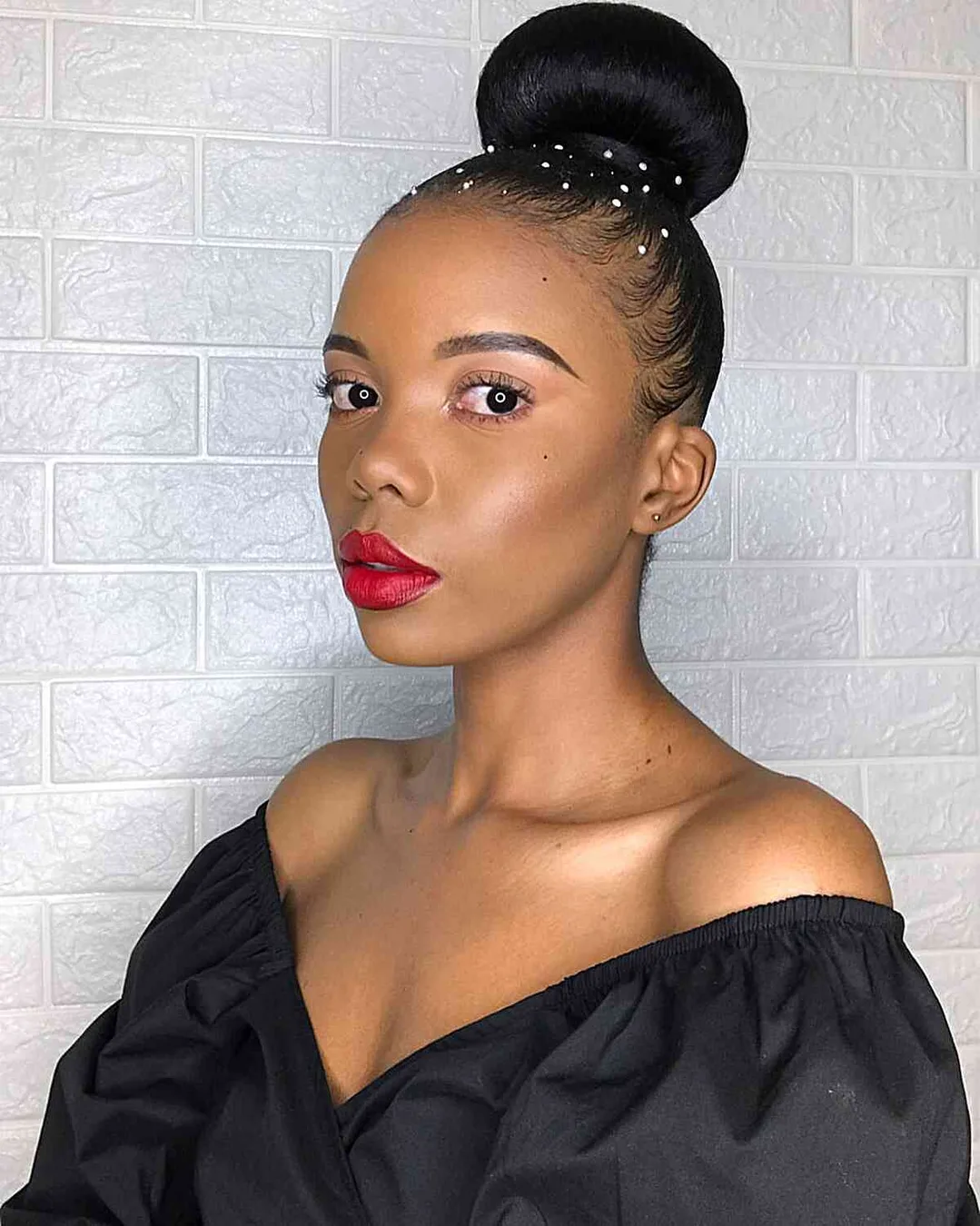
High Ponytail
A high ponytail is the quickest way to look pulled together in winter, with the hair swept up and the length swinging free above your collar. Placed at the crown, it keeps most of your hair off coats and scarves while still showing off your length.
It suits almost everyone, and a wrapped section of hair around the base makes it look instantly more polished. To protect the ends that do hang free, smooth a drop of oil through the last few inches before you head out. Flip your head upside down while you gather the hair and you will get that smooth, bump free finish.
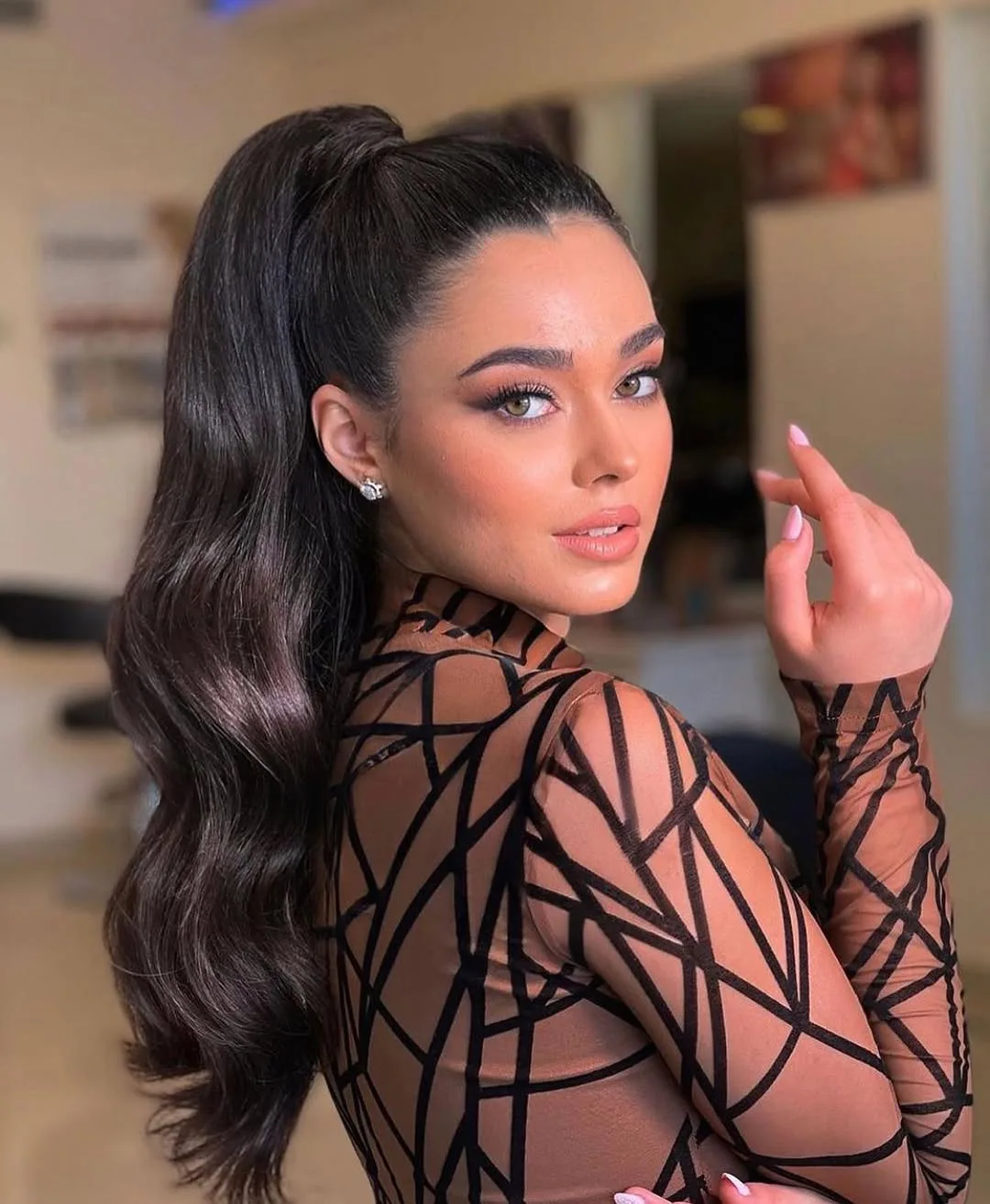
Messy Top Knot
The messy top knot is the high bun's relaxed sister, twisted up quickly with a few pieces left loose on purpose. It is made for day two or three hair, when a little texture actually helps the style hold.
Gather your hair on top, twist it into a loose coil, and secure it with a satin or velvet scrunchie for a festive touch. It takes two minutes and keeps your ends up and out of the weather. Pull a couple of soft strands down at the front so it reads effortless rather than severe.
Sleek Low Ponytail
A sleek low ponytail with a sharp middle part is the fastest polished option we know. Sitting at the nape, it slides under beanies and high collars without a fight.
Smooth hair down with a brush and a light anti frizz serum, secure it low, and wrap a small section around the tie. The length does rest against your coat, so keep the ends oiled and lift the ponytail out over your collar when you sit down. That one small habit saves a surprising amount of breakage.
Twisted Halo Updo
The twisted halo updo is made by twisting two sections of hair around the head and pinning them where they meet. It gives you the romantic feel of a crown braid with a softer, easier technique.
It suits medium to long hair and looks especially pretty for winter gatherings and photos. Every strand ends up pinned around the head, so nothing rubs against your scarf. Tuck the ends of each twist under the opposite twist and the finish looks seamless.
Claw Clip Updo
A claw clip updo twists the hair up and clips it in one motion, and it might be the most worn winter style in our own homes. Twist your length upward at the back, fold the ends down, and clip through the twist to hold it.
It suits medium to long hair, takes under a minute, and comes out with zero dents when you take it down. Because there is no tight tie, it is gentle on fragile winter hair. Keep a spare clip in your coat pocket and you can redo it anywhere.
Hat and Scarf Friendly Hairstyles
The most hat friendly winter hairstyles sit low, flat, or to one side, so a beanie or beret fits over them without crushing the shape. Low ponytails, side braids, and styles built around a scarf are the reliable winners.
A satin or silk lined hat makes a bigger difference than most people expect. Cotton and wool soak up moisture and rough up the cuticle, while a smooth lining keeps frizz and static down.
| Hairstyle | Best Hat Pairing | Time to Style | End Protection |
|---|---|---|---|
| Low ponytail with a silk scrunchie | Beanie or baseball cap | 2-3 minutes | Medium |
| Side fishtail braid | Beret or slouchy beanie | 5-8 minutes | High |
| Flat twists | Satin lined beanie | 15-20 minutes | High |
| Low twisted bun | Wide brim felt hat | 5 minutes | High |
| Loose waves | Earmuffs instead of a hat | 10-15 minutes | Low |
Low Ponytail With a Silk Scrunchie Under a Beanie
This is the commute proof combination we recommend to everyone. A low ponytail gathered with a silk scrunchie slides under a beanie without snagging, and the silk glides instead of gripping, so there is no pulling when the hat comes off.
Brush your hair into a nape level ponytail, secure it with the silk scrunchie, and pull the beanie on over the top. The smooth base means no bumps under the hat and no crease across the crown. When you arrive, shake the ponytail out and it falls back into place in seconds.
Side Fishtail Braid With a Beret
A side fishtail braid paired with a beret is pure winter charm, and it is practical too. The fishtail's fine, woven texture holds together better than a plain braid, so it survives wind and hat removal gracefully.
Sweep your hair to one side, split it in two, and cross small pieces from each side into the middle until you reach the ends. Tip the beret to the opposite side so the braid gets its moment. The whole look takes about eight minutes and photographs beautifully.
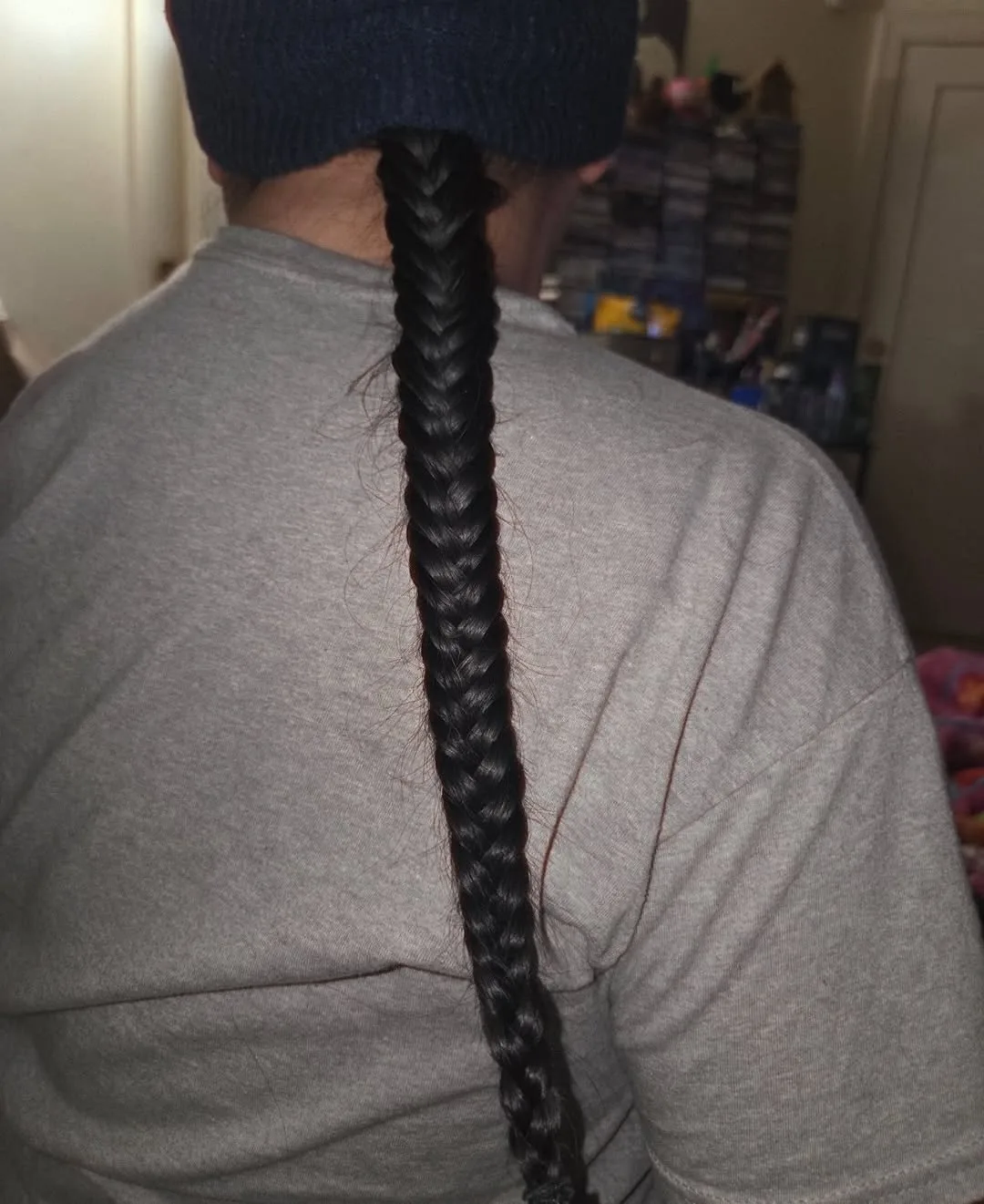
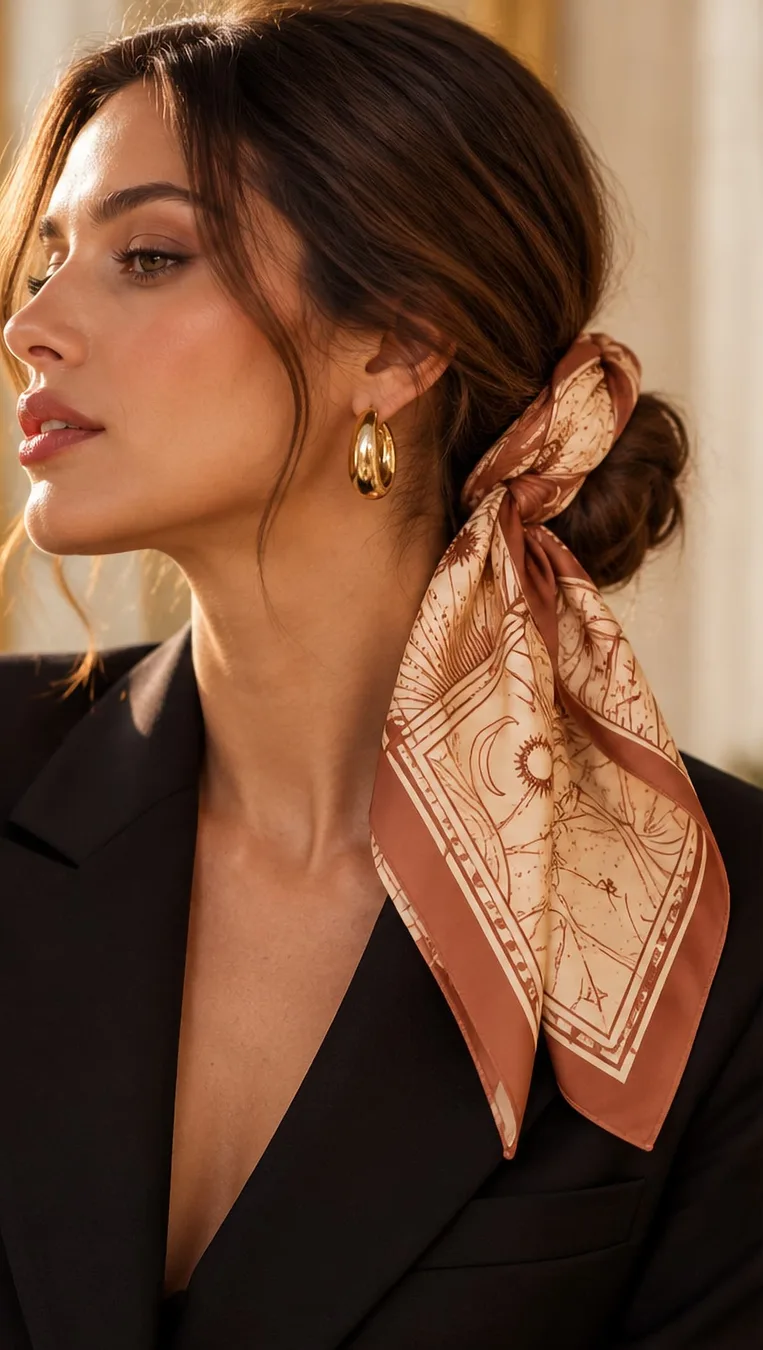
Scarf Wrapped Bun and Hair Tucked Into a Knit Scarf
Scarves are not just for your neck in winter, they are styling tools. Wrap a silk or satin scarf around a low bun for a pop of color and a layer of protection, or tuck your loose lengths up inside a big knit scarf when the wind really bites.
The wrapped bun works on any hair type that can gather into a bun, and the scarf hides a rushed style completely. Tucking hair into a knit scarf is our trick for the coldest, driest days, since your ends spend the trip warm and untouched. Just choose smooth fabrics against your hair and save the rough wool for the outer layer.
Loose Waves With Earmuffs
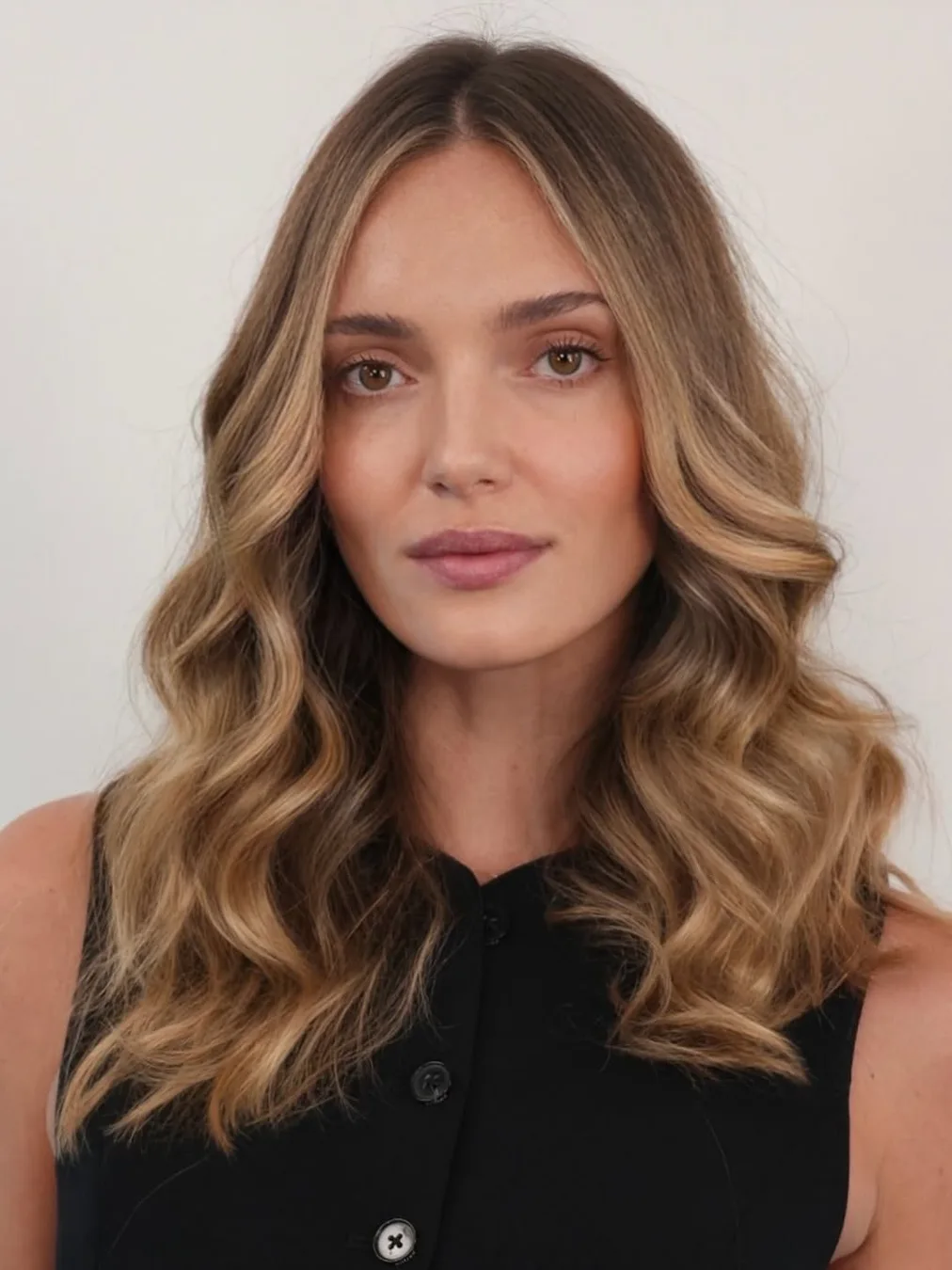
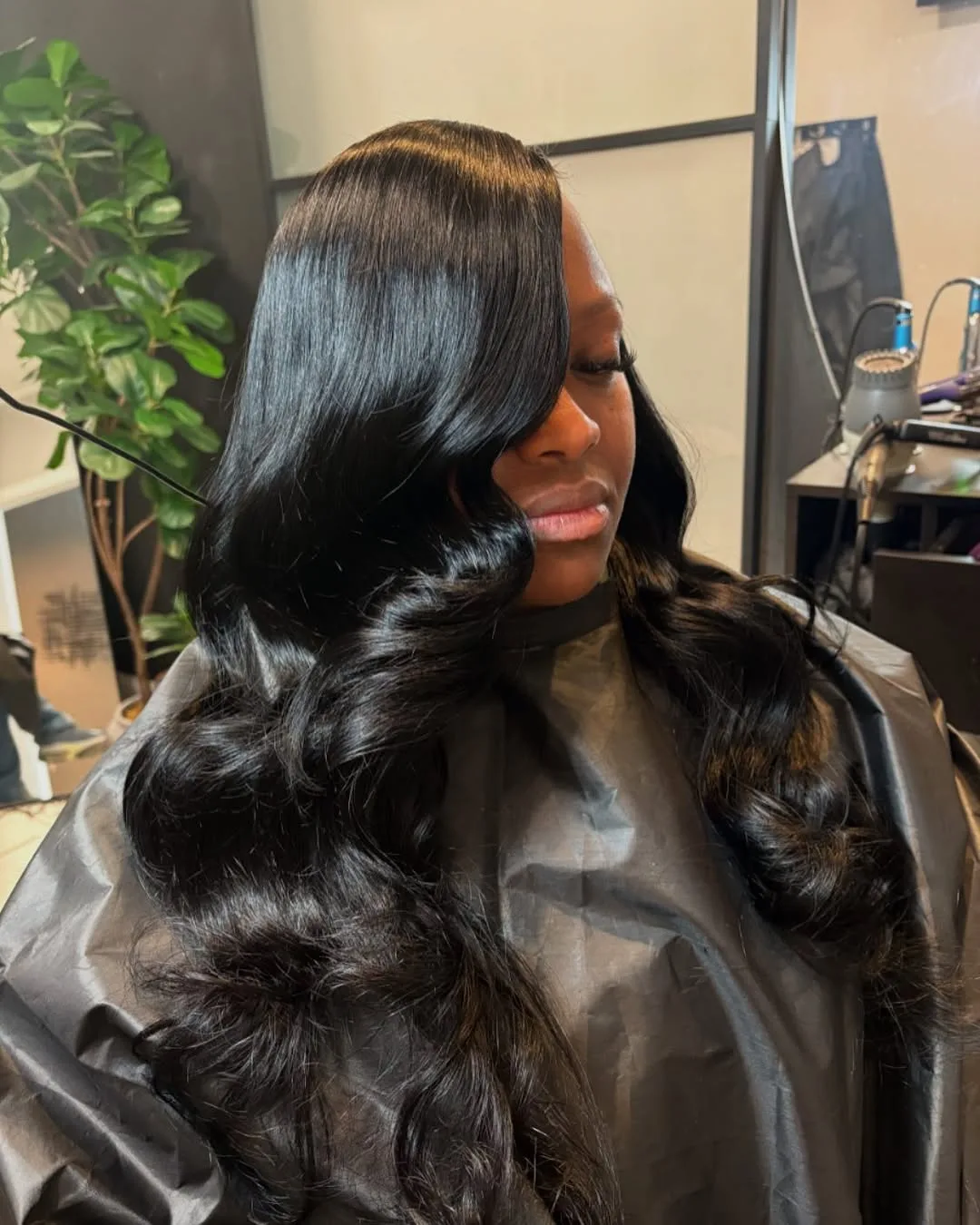
Loose waves are the go to winter hairstyle for dinners, parties, and photos, and earmuffs let you wear them down without a hat flattening the top. Heatless methods like braid waves and flexi rod sets give you the same soft finish without drying your hair out further.
If you use hot tools, stay at 300-350 degrees and always apply a heat protectant spray first, because high heat on already dry hair is a fast track to split ends. Pair the waves with a deep side part and a sparkly clip for the festive calendar. Our Christmas hairstyles guide has more party ready variations.
One more trick for hat hair. Part your hair on the opposite side before the hat goes on, then flip it back when you take it off. You get instant root volume instead of flat hair.
Winter Hairstyles by Length: Short, Medium, and Long
Every length has a winter sweet spot. Short hair loves texture and sleek finishes, medium hair is made for low buns and braids, and long hair needs styles that keep it off coats and scarves.
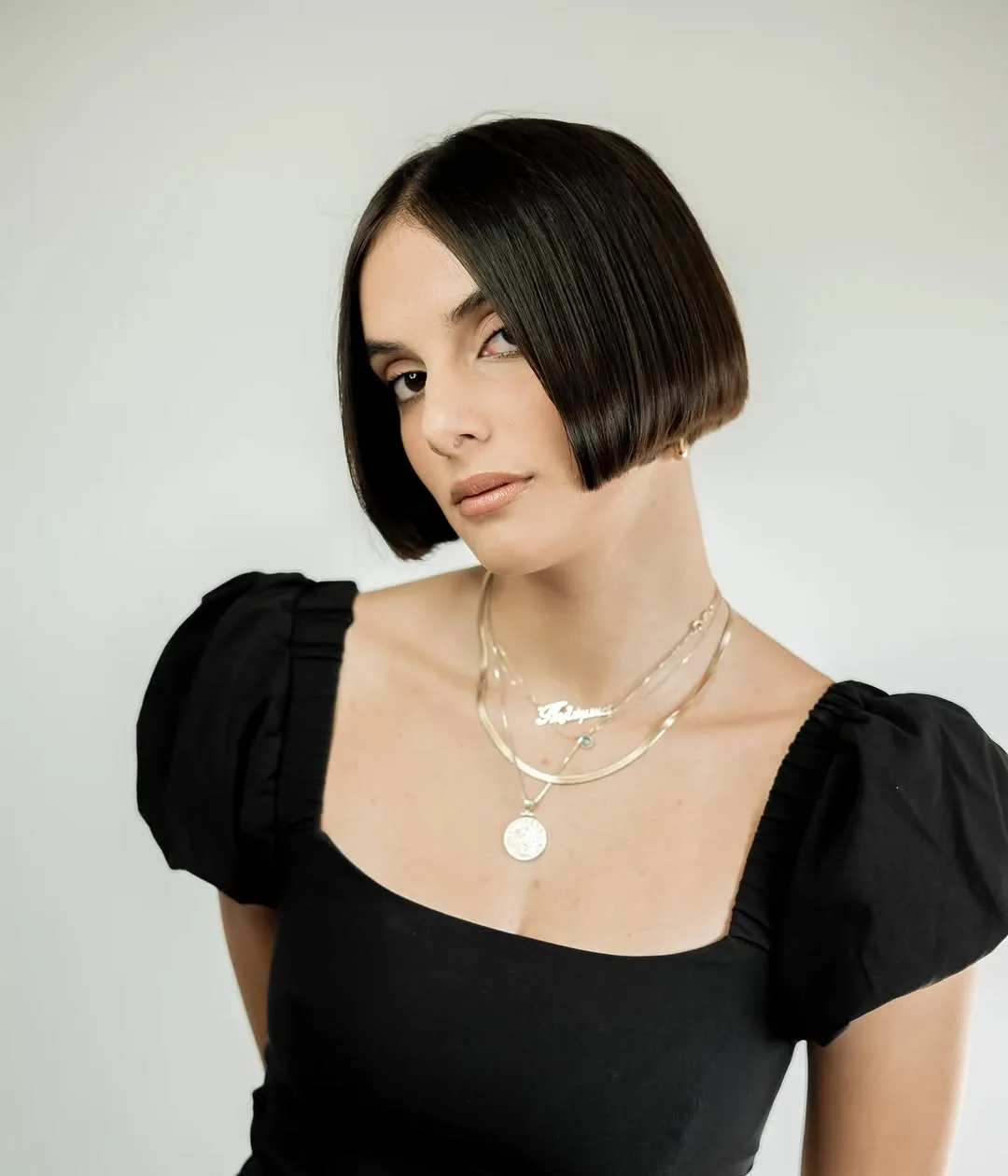
Short hair. A bob tucked behind the ears with a shine serum looks sharp and avoids scarf friction at the nape. Pixie cuts can be swept forward with a pea sized amount of styling cream, and a silk scarf under your hat keeps the shape intact.
Medium hair. Shoulder length hair is the most versatile in winter. Try a low ponytail with a wrapped base, a half up twisted crown, or a single French braid. These take 5-10 minutes and survive a full day of hats and hoods.
Long hair. Keep long hair up and off your coat with braided buns, rope braids, and claw clip updos. When you wear it down, a light oil on the last 3-4 inches prevents the dry, tangled ends that come from wool and fleece.
Winter Styles for Natural Hair and Black Women
Natural hair needs extra moisture and gentle handling in winter, and protective styles are the answer. Two strand twists, flat twists, braids, and wig friendly cornrows keep 3C to 4C hair moisturized and protected for weeks.
Cold air is especially harsh on coily hair because scalp oils travel slowly down each curl. Deep condition weekly, use the LOC method (liquid, oil, cream) before styling, and sleep in a satin bonnet. Our winter hair care routine walks through the full regimen.
Mini Twists
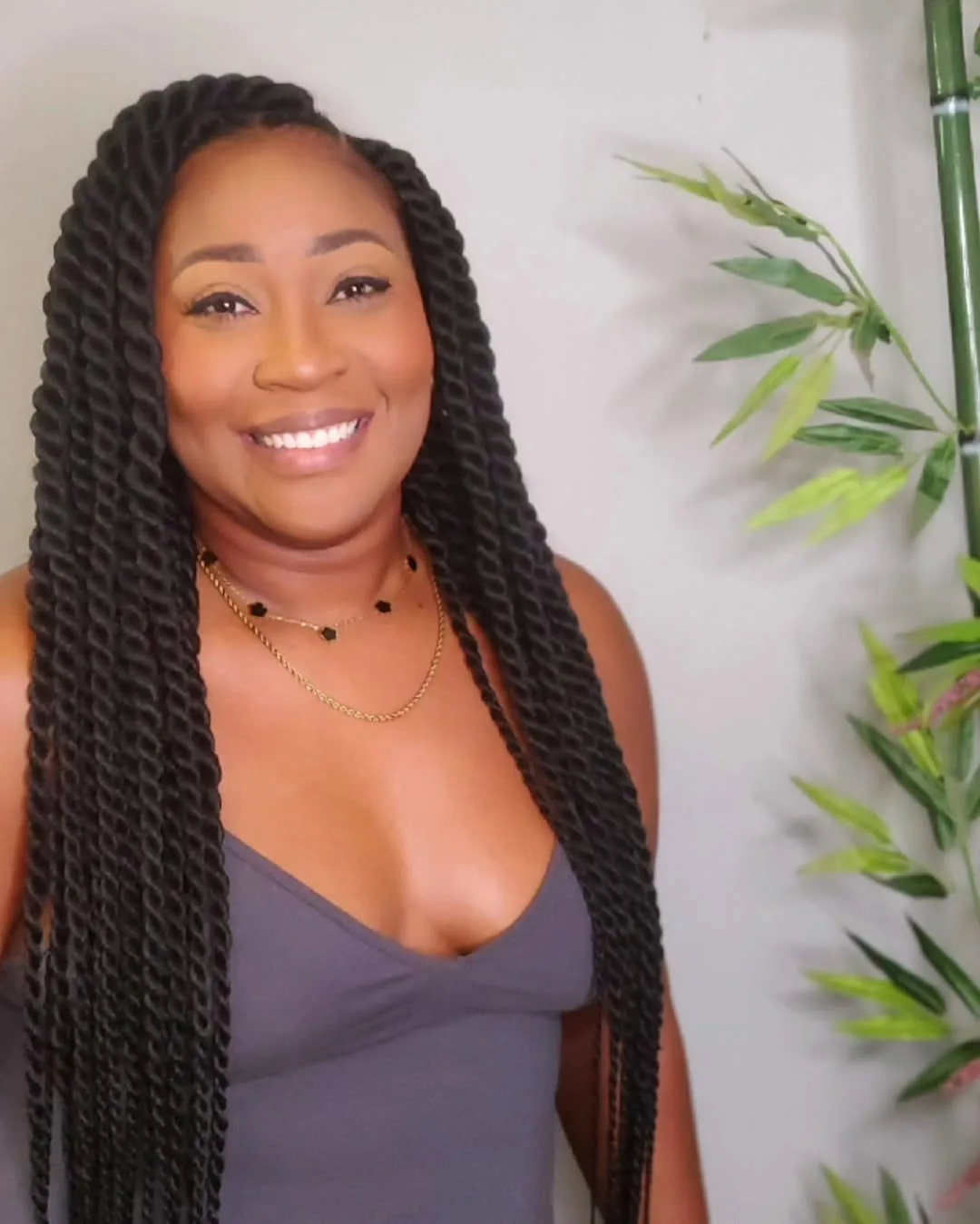
Mini twists are small, neat two strand twists installed across the whole head, and they are a winter gift for natural hair. They can be worn down, gathered into a bun, or tucked under a lined beanie, and a good set lasts two to three weeks.
Install them on stretched, well moisturized hair and they will hold their definition without daily restyling. Refresh with a light spray leave-in every few days and retwist only the front row if it starts to fuzz. They give your hair a real rest while still looking like a finished style every single day.
Knotless Box Braids
Knotless box braids in medium parts are the long wear favorite for winter, typically lasting four to six weeks. Because the braid starts with your own hair and the added hair is fed in gradually, there is far less tension at the roots and edges.
They move naturally, swing like loose hair, and fit under most winter hats when the parts are medium sized. Keep them moisturized with a light spray leave-in and cleanse the scalp gently between washes. At night, a satin bonnet or a loose high bun keeps them smooth and frizz free.
Flat Twist Updo
A flat twist updo sweeps flat twists up the sides and back into a twisted pompadour or a gathered crown at the front. It is protective, elegant, and dressy enough for winter events, all at the same time.
The twists keep your ends sealed away while the lifted front gives the style its shape. It suits medium to long natural hair and usually holds for one to two weeks with nightly satin coverage. Add gold cuffs or a few pretty pins and it is ready for any holiday photo.
Beyond these three, a twist out refreshed with steam from the shower, or a bantu knot out for defined and bouncy curls, makes a lovely change of pace for a special day. Just return to a protective style afterward so your ends keep their winter break.
Step by Step: A Low Twisted Bun in 5 Minutes
A low twisted bun is the winter hairstyle we recommend most because it protects your ends, fits under almost any hat, and takes about 5 minutes. All you need is a brush, two hair ties, a few bobby pins, and a drop of hair oil.
- Start with detangled hair. Smooth a leave-in conditioner through the lengths and a drop of oil over the ends.
- Part your hair in the middle or on the side, whichever you prefer, and brush it into a low ponytail at the nape of your neck. Secure with a gentle hair tie.
- Split the ponytail into two equal sections.
- Twist each section in the same direction, then wrap the two twists around each other to form a rope.
- Coil the rope around the base of the ponytail to form a bun.
- Pin the bun in place with bobby pins, tucking the very ends underneath so they are fully hidden.
- Smooth flyaways with a soft brush and a light mist of water or setting foam. Finish with a satin scarf for 5 minutes if you want an extra sleek result.
FAQs
How often should I wash my hair in winter?
Once a week is enough for most hair types in winter, and every 10-14 days works for dry or coily hair. Use a sulfate free shampoo, focus on the scalp, and always follow with a deep conditioner to replace lost moisture.
How do I stop static and flyaways in cold weather?
Moisture is the fix. Static happens when hair is dry, so use a leave-in conditioner, finish styles with a drop of oil, and choose satin lined hats over bare wool. A quick pass with a dryer sheet over flyaways also works in a pinch.
Are protective styles really better for winter?
Yes, for most people. Protective styles keep ends tucked away from cold air and coat friction, two big causes of winter breakage. Just keep the style moisturized and avoid tight tension at the edges.
Can I wear my hair down in winter?
You can, and waves look lovely for evenings out. Just limit how often you wear it down on very cold, windy days, keep the ends oiled, and use heatless styling when you can. Think of down days as the exception, not the everyday default.
Pick two or three of these styles, keep your moisture routine steady, and rotate them until spring. Save this to your hair board so you have all 25 ideas ready the next time the temperature drops.
Twelve years behind the chair taught me one thing: the best hairstyle is the one that works on your hair, your morning and your budget. That is the standard for every guide here.