Winter Protective Styles for 4C Hair: 19 Styles That Guard Against Dryness
In this guide
The best winter protective styles for 4C hair are two strand twists, knotless braids, crochet styles, wigs over cornrows, and chunky flat twists worn for two to six weeks at a time. They work because they tuck your ends away from cold, dry air while you keep moisturizing with a simple LOC or LCO routine.
If your 4C hair feels drier in January than it did in October, it is not your imagination. Cold air outside and heated air inside both pull moisture from tightly coiled strands faster than almost any other hair type.
Protective styling is the answer, but only when it is done right. Below we explain why winter is so hard on 4C hair, the 19 styles that guard it best, and the moisture routine that keeps your real hair healthy underneath.
Why 4C Hair Suffers More in Winter
4C hair dries out faster in winter because its tight coils make it hard for natural scalp oils to travel down the strand, and cold, dry air strips away what little moisture the hair holds. The result is breakage at the ends, which is where your length is won or lost.
Wool hats and scarves add friction that roughs up the cuticle, and indoor heating keeps the air around you dry all day. Our general guide to winter hair care covers the season basics, but 4C hair needs the extra step of keeping the ends physically tucked away, which is exactly what protective styles do.

The Best Protective Styles for 4C Hair This Winter
The strongest winter styles for 4C hair are the ones that hide your ends completely and ask little of your hair day to day. Twists, braids, crochet installs, wigs, and buns on stretched hair all qualify.
Two strand twists and chunky flat twists are the gentlest options because they use only your own hair and go in and out easily. For a longer break, knotless braids and crochet styles keep your hair fully covered for weeks. Explore the full range in our braids and protective styles hub.
- Two strand twists, medium or chunky
- Flat twists worn as a crown or into a low bun
- Mini twists for a longer lasting twist option
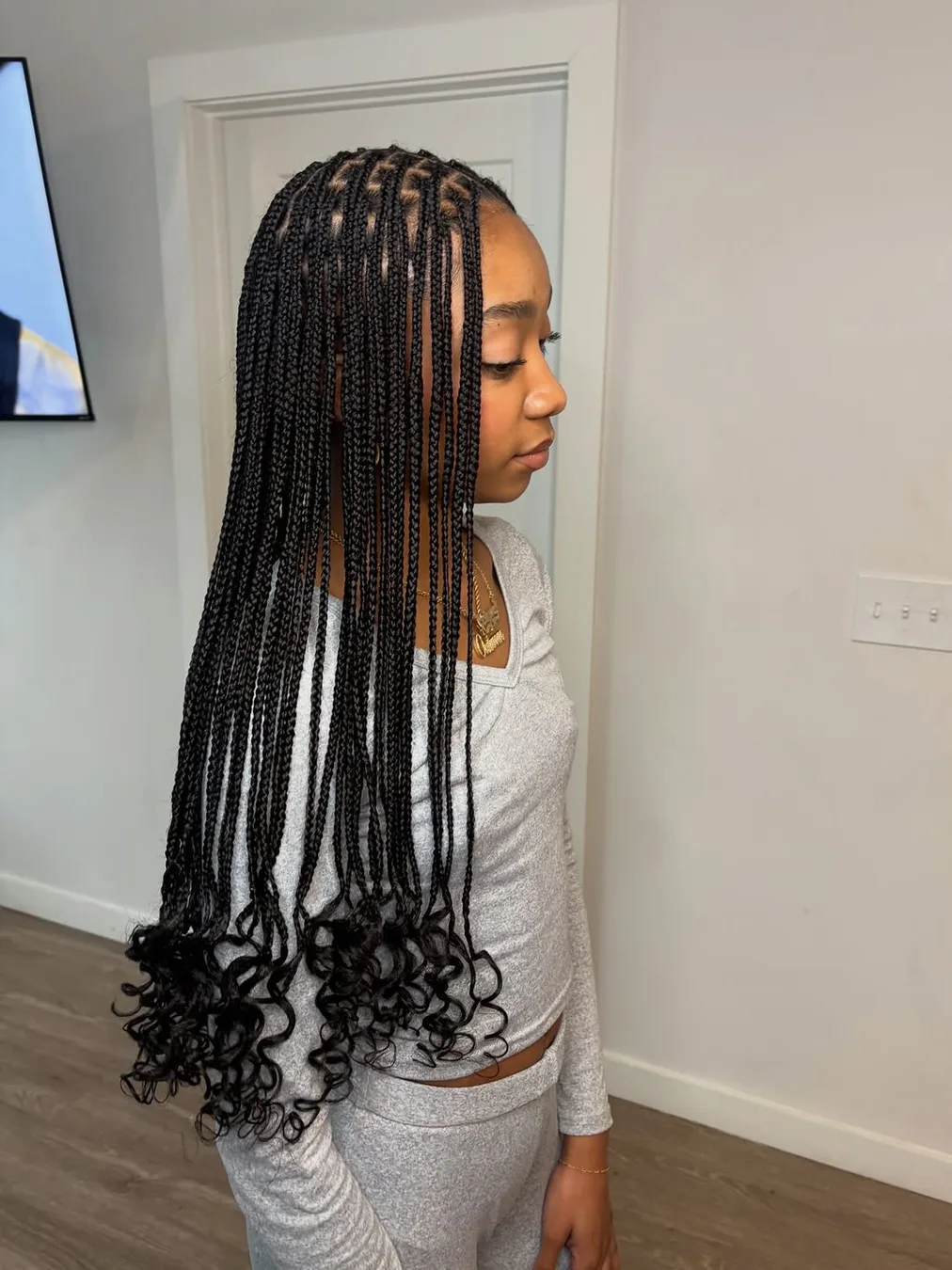
- Knotless braids, medium size
- Traditional box braids with your ends tucked in
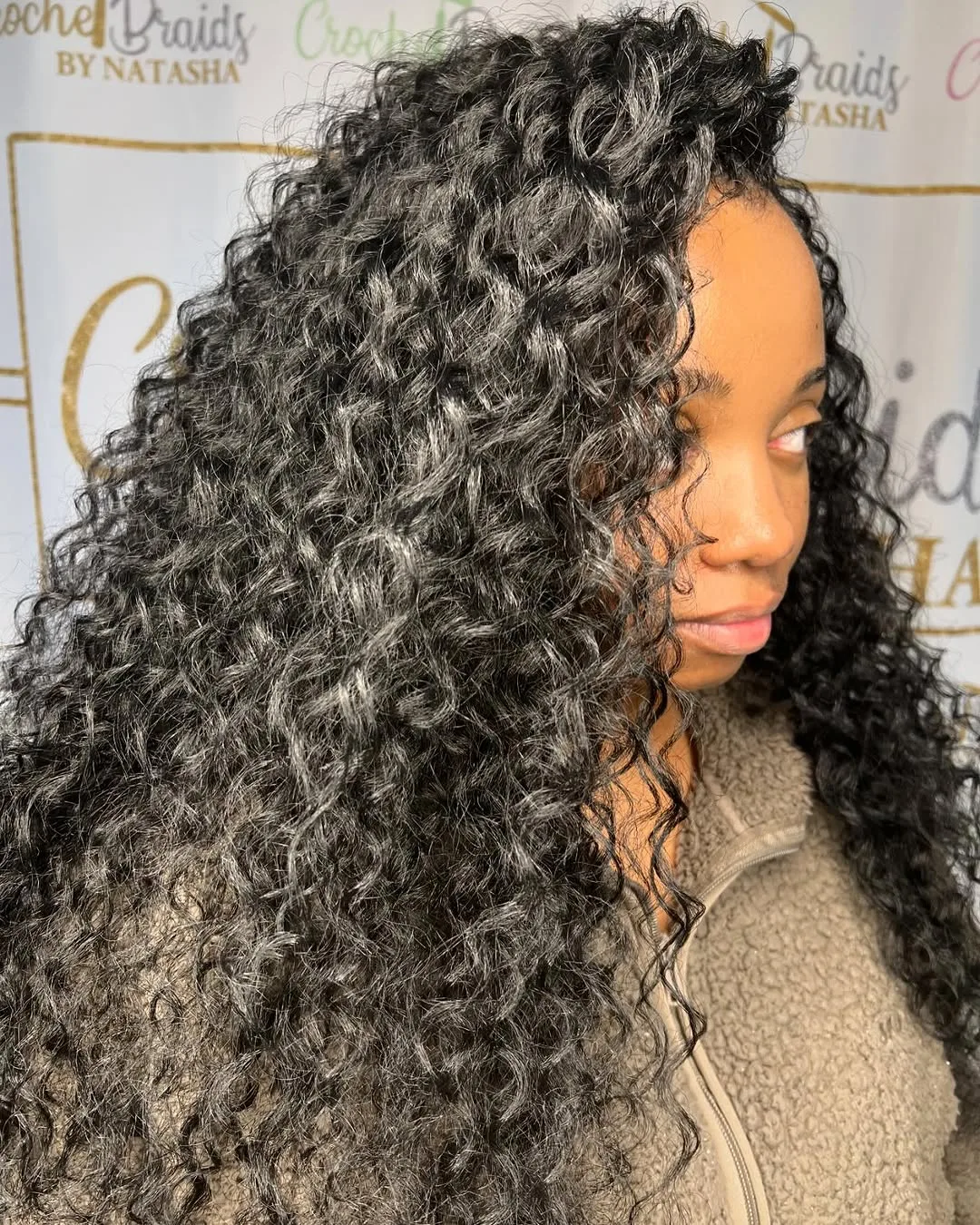
- Crochet twists, curls, or faux locs
- Butterfly locs and soft locs
- Wigs over flat cornrows, with a satin lined cap
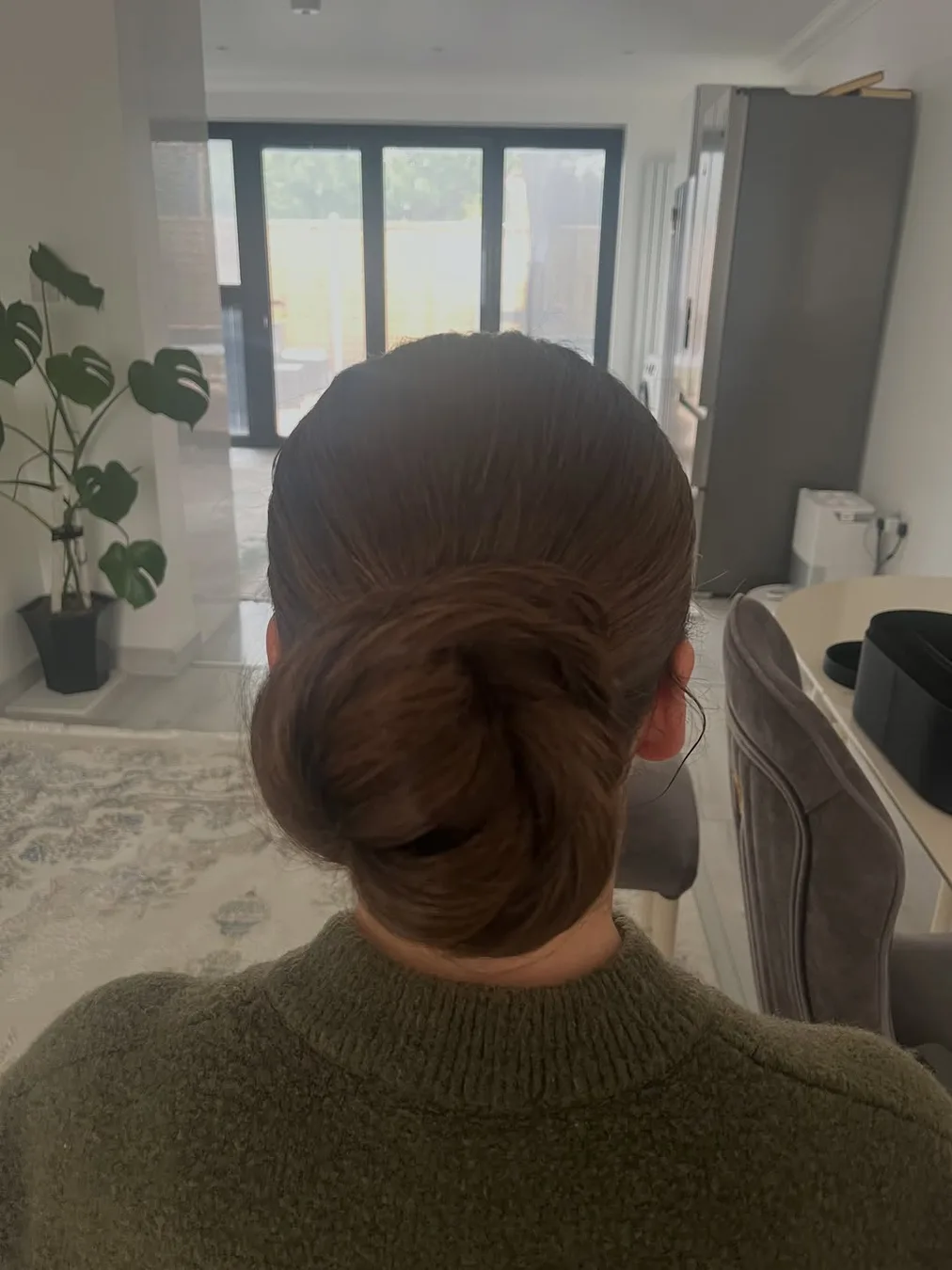
- Braided or twisted updos and low buns
- Bantu knots worn as a short term style
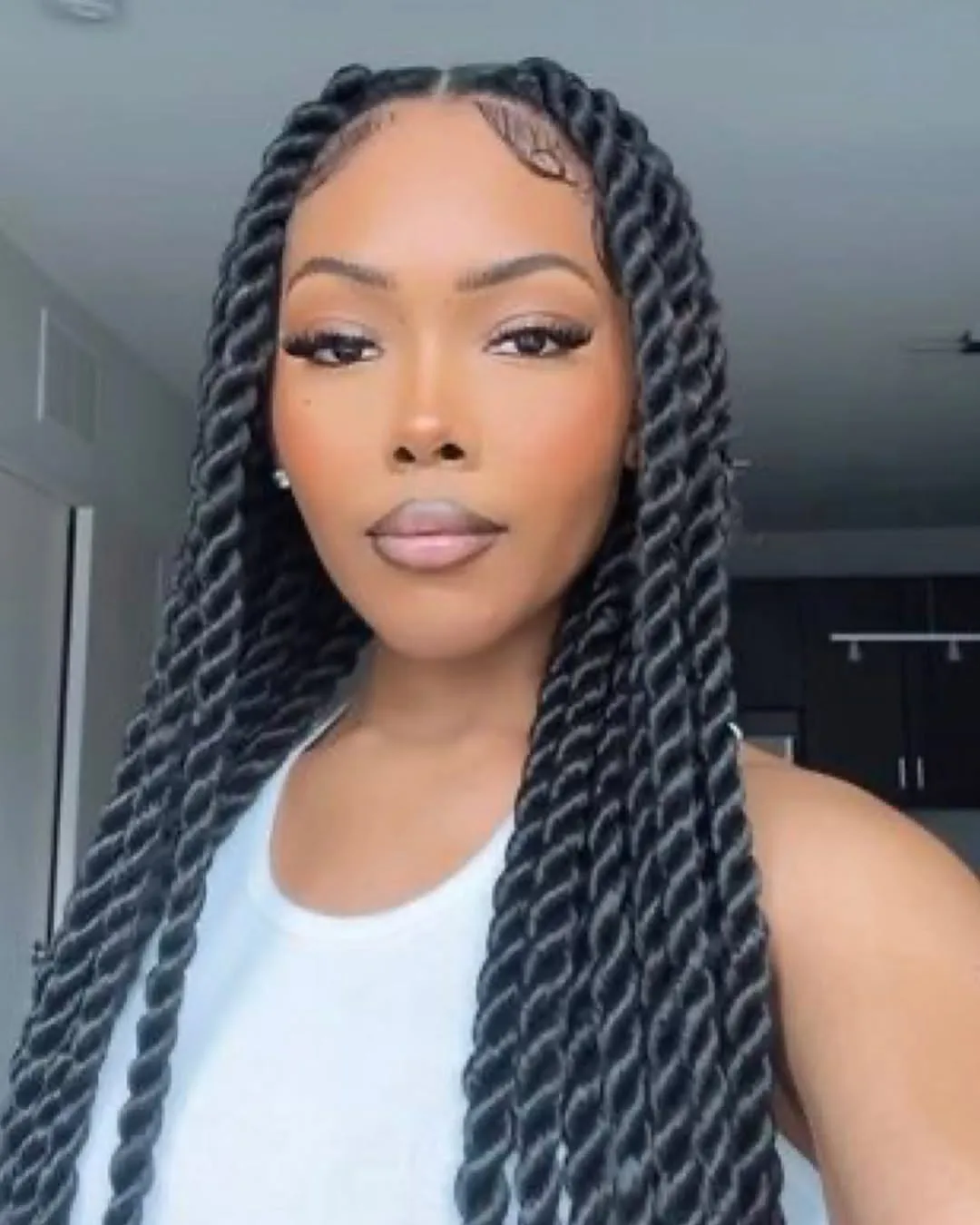
Senegalese Twists
Senegalese twists use smooth braiding hair twisted tightly for a sleek, rope like finish that looks polished for weeks. They hang and swing more like braids than like fluffy twists, which makes them a favorite for work friendly winter styling. Keep them at a moderate size and ask for low tension at the edges, and they will protect your hair comfortably for four to six weeks.
Marley Twists
Marley twists use kinky textured hair that blends closely with 4C hair, so the twists look full, soft, and natural. They are usually installed chunkier than Senegalese twists, which means a faster appointment and less weight on your scalp. Marley twists frizz a little as they age, but most women love that lived in look, and they hold up well for three to five weeks.

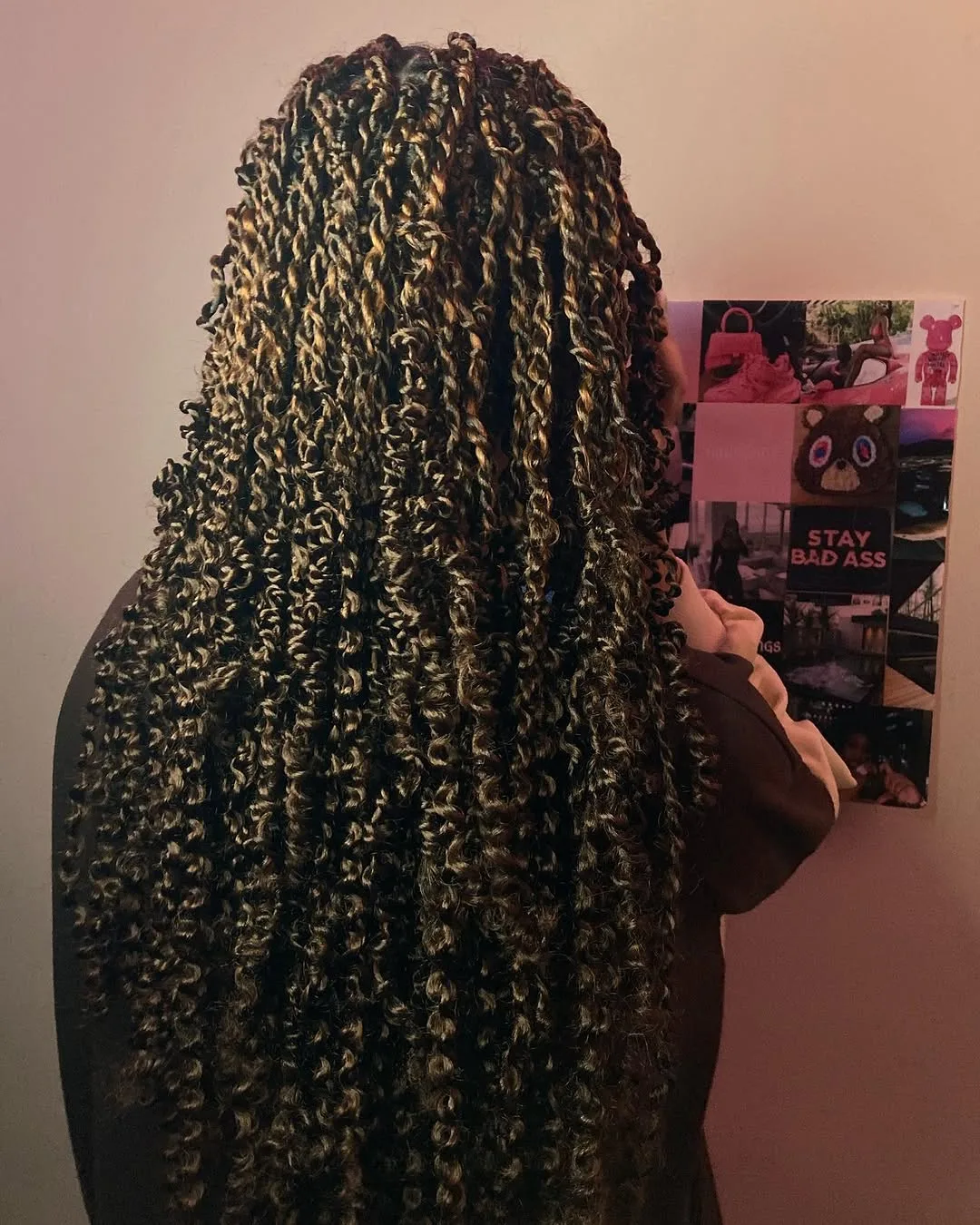
Passion Twists
Passion twists are made with wavy, curly hair that gives a soft, bohemian finish somewhere between twists and loose curls. They are lightweight, springy, and gentle on edges, which makes them a comfortable choice for tender scalps in winter. Passion twists look best a little undone, so do not chase perfection; plan on four to six weeks of wear with regular scalp cleansing.

How Long to Keep Each Style In
Most winter protective styles for 4C hair should stay in for two to six weeks, depending on how much of your hair is covered and how much tension the style uses. Keeping any style longer than eight weeks risks matting, buildup, and breakage at take down.
| Style | Safe wear time | Wash or refresh | Best for |
|---|---|---|---|
| Two strand twists | 2-3 weeks | Refresh edges weekly | Gentle, low tension rest |
| Mini twists | 4-6 weeks | Cleanse scalp every 2 weeks | Length retention |
| Knotless braids | 5-6 weeks | Scalp cleanse every 2 weeks | Low tension, versatile styling |
| Box braids | 6 weeks maximum | Scalp cleanse every 2 weeks | Full coverage |
| Crochet styles | 4-6 weeks | Cleanse cornrows underneath | Fast install, full coverage |
| Wig over cornrows | Redo cornrows every 2-3 weeks | Wash your hair weekly | Full access to your hair |
| Flat twist updo | 1-2 weeks | Moisturize every 2-3 days | Short breaks between styles |
The Moisture Routine Under Protective Styles: LOC and LCO
A protective style only protects if your hair stays moisturized inside it. Use the LOC method (liquid, oil, cream) or the LCO method (liquid, cream, oil) two to three times a week to keep 4C hair soft under braids, twists, and crochet installs.
Start with water or a water based leave-in spray as your liquid, because dry hair cannot absorb oil alone. Follow with a cream for softness, and seal with a light oil like jojoba or grapeseed. If your hair feels coated but still dry, switch the order to LCO, which many women with low porosity 4C hair prefer. More routine help lives in our hair care hub.
One balance to watch while your hair is put away is protein versus moisture. Hair that feels mushy and overly soft when wet needs a light protein treatment at your next wash, while hair that feels stiff, rough, or straw like needs more moisture and a break from protein heavy products. Most 4C hair in winter leans dry, so moisture usually wins, but checking the feel of a few strands every wash day keeps the balance right.
- Spritz your hair and scalp lightly with water or a leave-in spray.
- Work a small amount of moisturizing cream along the twists or braids with your palms.
- Seal with a few drops of light oil, focusing on the ends you can reach.
- Massage a drop of oil onto any itchy scalp areas with your fingertips, never your nails.
- Cover with a satin bonnet at night so the moisture you added stays in.
Before You Install: The Prep That Makes It Work
A protective style can only guard hair that goes in clean, conditioned, and moisturized. Installing braids or twists over dry, tangled hair locks in the damage instead of preventing it.
Start with a pre-poo or hot oil treatment before any shampoo touches your hair. Coat your dry hair with a warm oil such as olive, coconut, or a store bought pre-poo, cover it for 20 to 30 minutes, then shampoo as usual; the oil cushions your strands so the wash cleans your scalp without stripping your lengths, which matters even more in winter.
Then follow with a clarifying wash and deep condition for 20 to 30 minutes with heat if you can. Detangle gently in sections, trim any split or ragged ends, and stretch your hair with twists or a low heat blow out if your style needs it. Finish with your LOC or LCO layers before the first braid goes in.
- Pre-poo or hot oil treatment before shampooing
- Clarify, then deep condition with heat
- Detangle in sections and trim damaged ends
- Moisturize and seal before installing
- Ask for low tension, especially around the edges
Scalp Care While Your Hair Is Put Away
Your scalp still needs cleansing and air while your hair is in a protective style. Wash every two weeks with diluted shampoo in an applicator bottle, rinse well, and dry fully so no moisture sits trapped against your scalp.
Between washes, wipe your scalp with witch hazel on a cotton pad if it feels itchy or flaky, and resist heavy greases that clog follicles. If you wear a wig, take it off at night whenever you can so your scalp and cornrows get air. Satin lined hats outdoors protect both your style and your edges from winter friction.
- Cleanse every two weeks, even in braids or crochet
- Dry your hair completely after washing, roots included
- Skip thick petroleum greases on the scalp
- Give wig cornrows fresh air every night
- Wear satin lined hats and bonnets, never bare wool

FAQs
What is the best protective style for 4C hair in winter?
Mini twists and medium knotless braids are the most recommended. Both tuck your ends away, use low tension, and last four to six weeks while still letting you cleanse and moisturize your hair.
How often should I moisturize 4C hair in a protective style?
Two to three times a week is the sweet spot for most women. Use the LOC or LCO method with a water based spray first, and always sleep in a satin bonnet so the moisture lasts.
Can protective styles damage 4C hair?
Yes, if they are installed too tightly, left in past eight weeks, or never moisturized. Choose low tension styles, keep up your moisture routine, and give your hair a one to two week break between installs.
Should I deep condition before installing a winter protective style?
Always. Wash, deep condition for at least 20 to 30 minutes, and moisturize thoroughly before braiding or twisting. Hair that goes in dry and brittle will come out worse, no matter how good the style looks.
Winter does not have to cost you length. Pick a style from this list, keep the moisture coming, and your 4C hair can come out of the season longer than it went in. Save this to your hair board so the routine is ready before your next install.
Twelve years behind the chair taught me one thing: the best hairstyle is the one that works on your hair, your morning and your budget. That is the standard for every guide here.